
PCOS Is Now Called PMOS: What the New Name Means for Fertility, Hormones and Your Health
For many years, women have been diagnosed with Polycystic Ovary Syndrome (PCOS). But following an international consensus process involving clinicians, researchers and women living with the condition, PCOS has officially been renamed:
PMOS — Polyendocrine Metabolic Ovarian Syndrome
The new name reflects a growing understanding that this condition is not only about the ovaries.
For women trying to conceive, especially in their 30s and 40s, this shift is important because it changes how we understand fertility, hormone balance and long-term health.
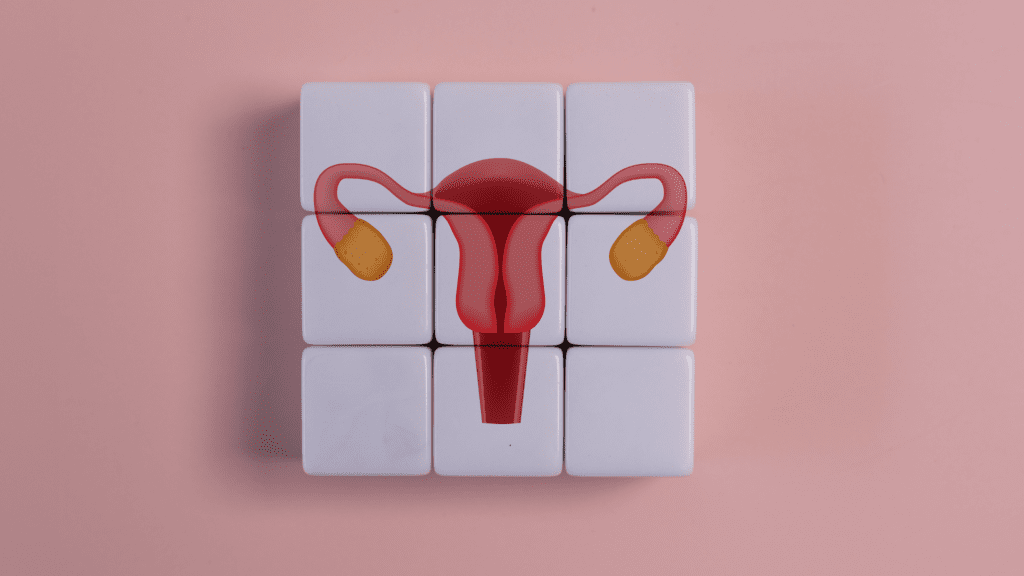
Why Was the Name Changed?
The international consensus group behind the new name explained that the term “PCOS” was considered inaccurate and potentially harmful.
The previous name:
- implied ovarian cysts were the main feature
- overlooked the endocrine and metabolic aspects of the condition
- contributed to delayed diagnosis
- created confusion and stigma
- failed to reflect the whole-body nature of the condition
Importantly, many women diagnosed with PCOS do not actually have ovarian cysts, while some women with polycystic ovaries may not have hormone or fertility issues at all.
The updated term PMOS better reflects the broader hormonal and metabolic picture many women experience.
What Does PMOS Mean?
The new name highlights three key systems involved in the condition:
Polyendocrine
Meaning multiple hormone systems are involved.
This may include:
- irregular ovulation
- androgen excess
- insulin-related hormone changes
- menstrual irregularity
- stress hormone dysregulation
Metabolic
Referring to the body’s energy and metabolic systems.
Many women with PMOS experience:
- insulin resistance
- fatigue
- inflammation
- weight fluctuations
- blood sugar instability
- increased long-term metabolic risk
Ovarian
The ovaries are still involved, but they are only one part of the picture.
This reflects a major shift away from viewing the condition as simply “ovarian cysts”.

PMOS and Fertility
For women trying to conceive, PMOS can affect fertility in several ways.
Ovulation may become irregular or absent altogether. Hormonal imbalances may influence egg development and menstrual cycles. Inflammation and insulin resistance may also affect reproductive health and implantation.
Many women with PMOS experience:
- irregular periods
- long cycles
- absent ovulation
- difficulty predicting fertile windows
- challenges conceiving naturally
- increased reliance on ovulation induction or IVF
Importantly, PMOS does not mean pregnancy is impossible.
With appropriate support, many women go on to conceive naturally or with fertility treatment support.
Why This Matters More in Your 30s and 40s
As women move through their 30s and 40s, fertility naturally changes with age. For women with PMOS, broader metabolic and hormonal health can become increasingly important during this time.
Some women may notice:
- worsening cycle irregularity
- increasing insulin resistance
- changes in weight or energy
- inflammation-related symptoms
- reduced ovulation frequency
Others may have what is sometimes called “lean PCOS”, where they are not overweight but still experience ovulation and hormonal challenges.
The new PMOS framework encourages clinicians to look beyond the ovaries alone and consider the entire hormonal and metabolic picture.
How Acupuncture May Help Support Women With PMOS
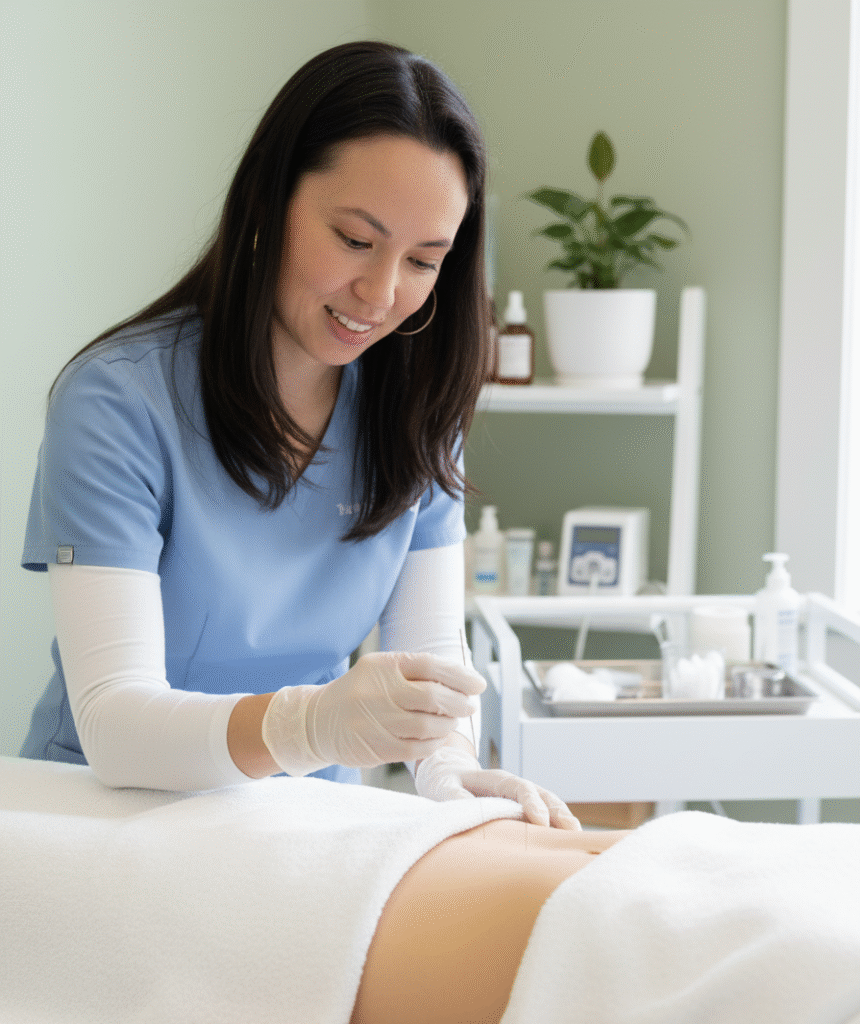
At the Acupuncture Pregnancy Clinic, we support many women with PMOS/PCOS using an integrative approach alongside mainstream medical care.
Our approach may include:
- acupuncture
- electro-acupuncture
- Chinese herbal medicine
- diet and lifestyle support
- IVF support
- stress and nervous system regulation
Research has explored how acupuncture may help regulate menstrual cycles, influence reproductive hormones and support ovulation.
Electro-acupuncture in particular has been investigated in women with PCOS in relation to:
- menstrual regularity
- ovulation induction
- nervous system regulation
- ovarian blood flow
Research referenced within our educational materials notes that acupuncture may:
- influence neurotransmitters involved in ovulation
- reduce stress hormone activity
- support blood flow to the ovaries and uterus
- help regulate the sympathetic nervous system
This whole-systems approach is important because fertility is rarely influenced by one factor alone.
The Link Between Stress, Hormones and Ovulation
Many women with PMOS describe feeling exhausted, burnt out or stuck in a constant state of stress.
Research continues to explore the relationship between stress hormones, the nervous system and reproductive function.
High stress levels may influence:
- ovulation
- menstrual regularity
- inflammation
- sleep quality
- insulin regulation
Acupuncture has also been studied for its effects on stress regulation and nervous system balance, including its influence on endorphins, cortisol and the sympathetic nervous system.
At our clinics, many women seek acupuncture not only for cycle support, but also because they want to feel calmer, more regulated and more supported throughout their fertility journey.
A More Accurate and Compassionate Understanding
For many women, the change from PCOS to PMOS feels validating.
The previous name often left women feeling misunderstood or dismissed — particularly those who did not fit the stereotypical picture associated with PCOS.
PMOS acknowledges that this condition is complex, individual and connected to multiple systems throughout the body.
It also encourages a more comprehensive and personalised approach to care.
Support for Fertility and Hormonal Health
At the Acupuncture Pregnancy Clinic, we provide integrative fertility care for women with PMOS/PCOS, irregular cycles and reproductive health concerns.
We work collaboratively alongside your GP, fertility specialist and healthcare team to support:
- ovulation and menstrual regularity
- IVF preparation and support
- hormone balance
- stress regulation
- reproductive wellbeing
- pregnancy preparation
Our clinics offer acupuncture, electro-acupuncture, Chinese medicine and personalised care tailored to your reproductive health goals.
If you are trying to conceive and would like support with PMOS or fertility-related hormone imbalance, our team is here to help.
At The Acupuncture Pregnancy Clinic, we take an individualised approach. Treatment may include acupuncture, herbal medicine, and lifestyle support, depending on your needs and fertility goals.
If you’re exploring support for low AMH or IVF, you’re welcome to reach out to our team.
Reference:
Qiao X et al. (2025). Analysis of the effectiveness and influencing factors of Bushen Huoxue Formula in treating diminished ovarian reserve. Medicine.
Read the full study here: TCM herbs and AMH
Disclaimer:
Acupuncture is not a replacement for medical or fertility care. Individual responses vary. Treatment should be provided by an AHPRA-registered practitioner.
Author
Written by Dr Amy Forth (TCM), Doctor of Chinese Medicine

BHSc (Chinese Medicine) · Master of Global Health and Development
Managing Director, The Acupuncture Pregnancy Clinic
In practice since 2008 · AHPRA reg. CMR0001740155 · AACMA 4720
Amy was a research assistant on a randomised controlled feasibility study of acupuncture for weight management in PCOS at NICM, Western Sydney University.