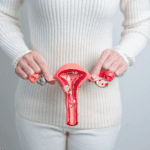
Managing PMOS for fertility: diet, exercise and acupuncture
If you’re trying to conceive and have PMOS Polyendocrine Metabolic Ovarian Syndrome (previously PCOS), you’re not alone. PMOS (previously PCOS) affects 1 in 10 menstruators in their reproductive years and is a common cause of irregular cycles and ovulation issues, making conception more challenging.
At the Acupuncture Pregnancy Clinic, we see many patients navigating PMOS (previously PCOS) and understand the frustration it can bring. The good news? With the right lifestyle changes, natural fertility treatments like acupuncture, herbal medicine and nutritional, may support ovulation, regulate hormones, and improve your chances of conceiving naturally or with IVF.
Firstly, understanding PMOS (previously PCOS) & Fertility Challenges
PMOS (previously PCOS) is a multifaceted hormonal condition characterised by:
- Irregular periods or absent ovulation
- Cysts on the ovaries (detected via ultrasound)
- High levels of androgens (leading to acne, excess hair growth, or hair thinning)
- Insulin resistance (which can contribute to weight gain and blood sugar issues)
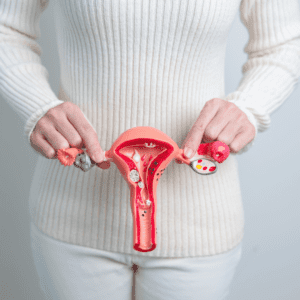
Because PMOS (previously PCOS) disrupts ovulation, it can make conception more difficult. Many women with PMOS (previously PCOS) also experience irregular menstrual cycles, meaning fewer chances to conceive each year. However, targeted diet, moderate exercise, incorporating specific nutraceuticals and acupuncture treatments can help regulate cycles and support natural conception or improve IVF outcomes.
How to Manage PMOS (previously PCOS) for Fertility
1. Balance Blood Sugar with a Low-GI Diet

This is one of the most important management tools. PMOS (previously PCOS) is closely linked to insulin resistance, which means your body struggles to process sugar efficiently. Our resident Naturopath Tamara Grysiewicz recommends specific dietary adjustments with managing your blood sugar being one of the most important steps in improving a strong and regular ovulation. This can be done through herbs, diet and exercise, with diet tips including:
- Limit sugar and refined carbs (e.g., white bread, pastries, soft drinks)
- Choose low-GI, complex carbs (e.g., quinoa, sweet potatoes, legumes)
- Eat high-fibre foods (aiming for 30g/day) to slow sugar absorption (e.g., leafy greens, flaxseeds, avocado, pulses)
- Prioritize healthy fats and proteins to stabilize energy levels (eat these first in a meal)
2. Focus on Protein, Healthy Fats & Nutrient-Dense Foods
 Nutrient-dense foods support hormone production and balancing our hormones whilst supporting egg quality, three key factors in fertility when there is a PMOS (previously PCOS) diagnosis. Eating your protein or healthy fat component of your meal first before any carbohydrates can play a supportive role in balancing blood sugars further, just by the order of food on your plate. How do we focus on nutrients:
- Opt for lean proteins like organic chicken, fish, eggs, and plant-based options (highly recommended to eat organic soy if eating a soy protein, avoiding the heavily processed “fake meats”)
- Incorporate healthy fats (e.g., avocado, olive oil, nuts, seeds, egg yolk, nut butters) for hormone production
- Eat the rainbow! Eat plenty of colourful vegetables to support liver function and reduce oxidative stress and inflammation.
3. Exercise Regularly to Support Ovulation
 Movement is key in managing PMOS (previously PCOS) and improving fertility. It helps regulate blood sugar, reduce inflammation, and support hormone balance. Addressing your sleep hygiene or rituals, as well as environmental toxins around you are also two lifestyle tips that you can start to work on to support your reproductive health, as making changes to these can take time.
- Strength training (e.g., resistance exercises 3x per week) improves insulin sensitivity
- Low-impact cardio (e.g., walking, swimming, cycling) supports metabolic health
- Yoga or pilates can help manage stress and promote hormonal harmony
How Acupuncture Supports PMOS (previously PCOS) & Fertility
Acupuncture is an evidence-based therapy that can help regulate cycles, promote ovulation, and balance hormones in PMOS (previously PCOS) patients. Research in PMOS has examined whether acupuncture may affect testosterone and insulin levels, ovulation frequency and metabolic markers. Findings are mixed and trial quality varies. Cite each study with author, year and journal.

In Chinese medicine, PMOS (previously PCOS) is seen as an imbalance in the body’s natural flow of energy (Qi) and blood circulation. Acupuncture treatments help restore balance, reduce stress, and promote regular cycles, increasing your chances of conception whether naturally or with IVF.
Looking for support? Join our private Fertility & IVF Support Group or follow us on Instagram for more fertility tips.
At the Acupuncture Pregnancy Clinic, we’re here to help you navigate PMOS (previously PCOS) and fertility with expert acupuncture care, nutritional advice, and holistic support. Get in touch today to take the next step on your journey to conception.
Our clinics are in Westmead, Sydney CBD, Alexandria, Gosford, Melbourne, and Mornington.
Disclaimer:
Acupuncture is not a replacement for medical or fertility care. Individual responses vary. Treatment should be provided by an AHPRA-registered practitioner.
Written by Dr Amy Forth (TCM), Doctor of Chinese Medicine

BHSc (Chinese Medicine) · Master of Global Health and Development
Managing Director, The Acupuncture Pregnancy Clinic
In practice since 2008 · AHPRA reg. CMR0001740155 · AACMA 4720
Amy was a research assistant on a randomised controlled feasibility study of acupuncture for weight management in PMOS at NICM, Western Sydney University.