If I was planning to try to conceive, here’s what I would start with
From a clinic focused on reproductive health since 2008. Not a Google search

Amy Forth
Hi I am Amy Forth– BHSc, MGDS. I hold a degree in Chinese Medicine and Acupuncture, as well as Master’s Degree. I’ve been an educator in acupuncture and fertility for ten years, and I’ve been working with fertility patients for almost twenty years. One thing I see again and again is this: preparation matters far more than most people realise.
Often, the work that helps people conceive more smoothly doesn’t start once they’re already trying. It starts earlier. It’s the obvious things from a clinical perspective that many people simply haven’t been told, or haven’t had the space to focus on.
That doesn’t mean everyone who prepares will get pregnant quickly. Fertility is complex and individual. But in my experience, supporting the body before pressure sets in can make a meaningful difference.
This is why I wanted to share what I’d personally focus on if I were trying to conceive. Not because it’s the only way, but because these are the foundations I see matter most in the clinic, year after year.
Before lists.
Before tests.
Before supplements or protocols.
I would pause and ask a more fundamental question.
What am I actually asking the body to do?

Conception is a significant biological job.
If you’re the person carrying the pregnancy, you’re asking your body to ovulate, conceive, implant, grow a placenta, and sustain another life for nine months.
If you’re the person providing the sperm, you’re asking your body to produce healthy sperm, deliver genetic material, fertilise an egg, and contribute half of the blueprint for a new human.
Both roles matter.
Both require energy, nourishment, and reserves.
Creating a human being is not a small ask.
So the first thing I would look at is not fertility as a problem to fix, but how resourced the body actually is, for both partners.
Have you been running on overdrive?
Working long hours, training hard, juggling stress, pushing through for years?
How much is really left in the tank?
Conception and pregnancy ask the body to shift out of fight-or-flight and into a state of rest, repair, and availability. If someone has been running on empty for a long time, there are often some structural changes that need to happen first.
Creating more space in life for rest, nourishment, and rhythm is not a luxury. It’s often foundational fertility care.
Start earlier than you think

Fertility doesn’t begin the month you start trying.
Eggs take 3 months to mature.
Sperm reflects the previous three months of health.
3 months preconception care is taking care of the sperm and egg you are going to use to make your baby.
So if pregnancy is something you’re hoping for in 2026, the most useful work often happens before the pressure is on.
Get preconception blood tests early; for both people
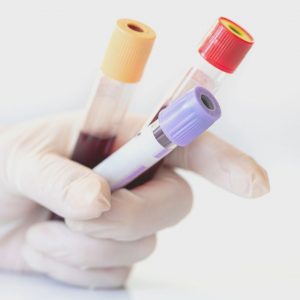
One of the first practical steps I would take is preconception testing, for both the person providing the eggs and the person providing the sperm.
Both contribute 50 percent of the genetic material of the baby.
Both deserve assessment and support.
Blood tests give us a baseline picture of how the system is functioning before conception. This often includes looking at iron and ferritin, vitamin B12, vitamin D, thyroid markers, inflammation, and relevant hormone patter
Often testing Fertility such as egg reserve (AHM), Sperm testing and and hormonal testing is is suggested is advisable.
Sometimes results are reassuring.
Sometimes they show deficiencies that are common and very correctable.
And sometimes they flag red flags that take time to address.
This is why I wouldn’t wait six months “to see what happens”. I would rather know earlier as more time under your belt to address it. Early information gives you time to respond thoughtfully, rather than reactively.
Before adding things, make sure the basics are working
Before supplements.
Before tracking apps.
Before treatment plans.
I would check whether the basic mechanics of conception are actually in place.
For the person providing the eggs:

• Are periods coming regularly?
• Is ovulation happening?
• Does the menstrual cycle seem healthy overall?
• Is there significant pain, heavy bleeding, or signs of inflammation?
For the person providing the sperm:

• Is ejaculation or sperm reliably available at ovulation?
• Has sperm been tested for count, quality, wriggle power, and DNA fragmentation?
In IUI or IVF cycles, is sperm quality and timing being properly considered?
These things are often assumed rather than checked.
If ovulation isn’t regular, or sperm isn’t reliably available at the right time, adding supplements or protocols won’t solve the core issue.
Nutrition is not optional in fertility

Nutritional status plays a major role in fertility outcomes.
This is also where many people unknowingly waste money. A lot of off-the-shelf supplements are low dose, poorly absorbed, or not in a therapeutic range.
Good preconception care uses blood test results to guide decisions. Not guesswork. Not copying someone else’s protocol.
Vitamin D is a clear example. Low vitamin D status alone can significantly affect fertility outcomes, yet it’s often missed or under-treated. Iron, B12, iodine, zinc, and other nutrients also matter.
This is why I would always work with a qualified health professional who can interpret blood results properly and design supplementation that actually matches what the body needs.
Learn more about Nutrition from these resources:
- Iron for Fertility, IVF, and Pregnancy: A Nutritional Guide for Women and Menstruating People
- The Vital Role of Iron in Women’s Health: Understanding the Impact of Iron Deficiency
Look honestly at lifestyle — without extremes

Preconception care isn’t about perfection.
But I would look honestly at a few key areas.
Alcohol matters. Regular intake can affect both egg and sperm quality and significantly affect how long it takes to conceive. Reducing it earlier gives the body time to recalibrate, produce better quality sperm and eggs, and increase likelihood of conceiving .
Sleep matters. Ongoing sleep disruption affects hormone signalling and recovery.
Stress matters too. Not just emotional stress, but physiological stress …always being switched on, under-fuelled, or pushing through.
Caffeine can impact sleep, stress and fertility so it’s also good to reduce.
If you’ve lived most of your adult life in high gear, fertility may require you a shift gears a little. When trying to build something the body needs resources and good quality resources.
Learn more from this blog: Ten Things To Know If You Want To Get Pregnant
Male fertility is not a side note

Male factor fertility issues contribute to around 40–50 percent of fertility challenges.
Sperm takes around three months to develop. That means there is a clear preparation window where lifestyle, nutrition, alcohol intake, stress, and heat exposure can make a real difference.
This applies whether you’re trying naturally, preparing for IUI, IVF, or using a donor.
Supporting male fertility early can save time and reduce pressure later. This means all preconception care work 3 months prior minimum from when your start trying to get better and easier results.
Read more about male fertility.
Where acupuncture and Chinese medicine fit
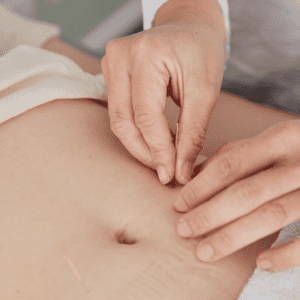
If I was including acupuncture or Chinese medicine as part of preconception care, I would usually start around three months before trying to conceive.
Not because one treatment creates a result. But because this kind of care works cumulatively.
Chinese medicine looks at the whole system. Reproductive health, menstrual cycles and pain, ovulation, circulation, inflammation, digestion, stress, and overall vitality.
The aim isn’t to force the body.
It’s to support balance and capacity so the body can take on pregnancy.
This is why the same principles apply whether you’re trying naturally, preparing for IUI, or starting IVF.
A final thought
If I was planning to try to conceive, I would focus less on doing everything and more on supporting the body to do one very big thing well.

Create space.
Nourish properly.
Rest more.
Test early.
Support both partners.
I would want to do these things to give the body its best chance to conceive and sustain a new life.
Our team of AHPRA-registered, degree-qualified practitioners works in reproductive health and Chinese medicine, offering individualised care that may include detailed assessment, acupuncture, Chinese herbal medicine, and tailored nutritional support.
We take the time to understand your cycle, your health history, and everyone involved, and to create a treatment plan that’s specific to you.
Our practitioners provide reproductive acupuncture, Chinese medicine, and personalised care across our clinics in Sydney CBD, Alexandria, Westmead, Central Coast, Melbourne, and Mornington.
If you’d like guidance and support as you prepare for pregnancy, you’re welcome to book a consultation when you’re ready.